
Stedsutvikling
Regenerative place development is about seeing holiday homes, tourism, nature and local communities in context.
In practice, this means that development is not only assessed based on visitor numbers, sales, development volume or economic growth. It must also be considered how development affects the natural environment, local identity, meeting places, collaboration, health, quality of life and local value creation.
Holiday home development can also be an arena for testing new process and business models. It can also contribute to new knowledge and activities that build up native nature and local communities.
The examples in this module show different ways of working with this. Some are about tourism experiences. Others are about collaboration, local communities, housing, meeting places and local values. The examples highlighted are not ready-made models for regenerative place development, but show measures that can provide inspiration to municipalities and local actors.
Good examples
Trasti & Trine
Trasti & Trine is a small tourism company in Alta that combines accommodation, local food and nature experiences. Through food, hosting and activities such as dog sledding, they communicate nature, local produce and life in Finnmark.
The place also serves as a meeting place for locals and visitors. It is part of the De Historiske network, which brings together accommodations with a strong cultural anchor.
For small players, the case shows how strong local qualities can become the basis for experiences and value creation.
More information:
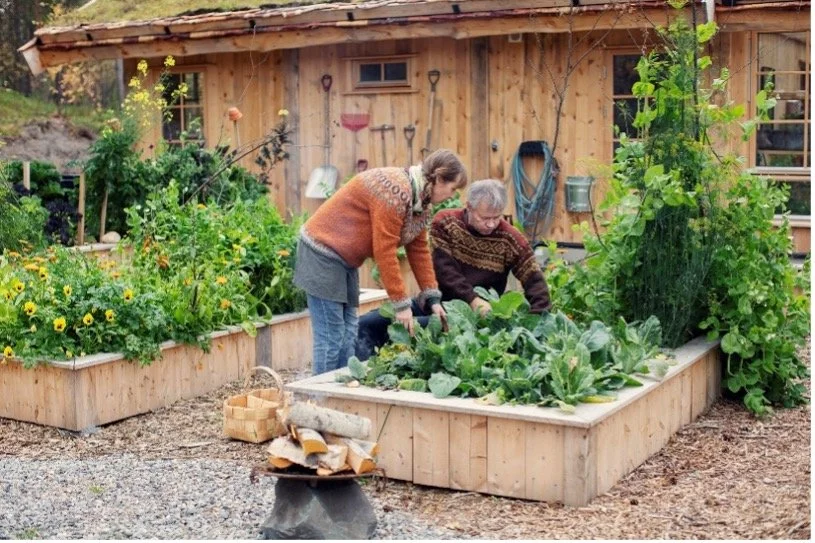
Image: From Trast & Trine, taken from https://trastiogtrine.no/en/
Holiday volunteer work in the Faroe Islands
To preserve nature, the islands are closed to ordinary tourists during a volunteer weekend. Foreign volunteers who wish to contribute are still welcome.
The example shows volunteer tourism as an experience. It is based on responsibility towards local people and vulnerable nature, and shows how visitors can take an active role in taking care of the place.
Instead of tourism being just about consuming nature and experiences, guests are invited to participate in concrete work to maintain and improve the area. This gives tourism a clearer purpose.
Visitors gain a more direct relationship with nature, the local community and the responsibility that comes with travel.
More information:
https://visitfaroeislands.com/en/closed
https://dfly.no/faeroyene-stenger-for-turister-for-a-holde-dugnadshelg/
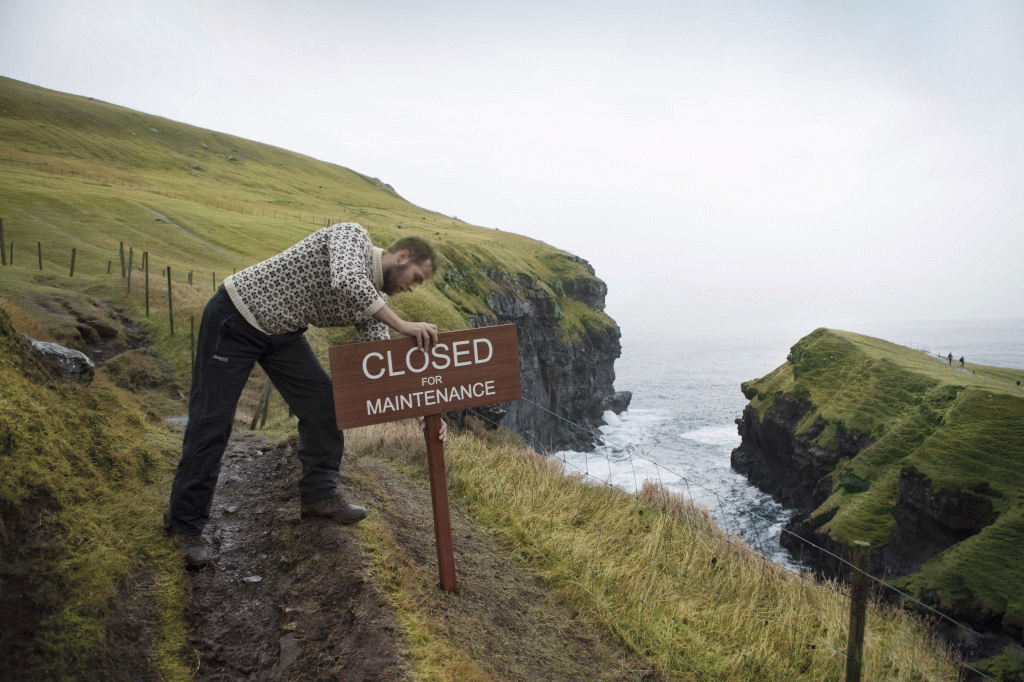
Image: From when the Faroe Islands are closed to tourism due to the volunteer weekend. Retrieved from https://visitfaroeislands.com/en/closedformaintenance/about-closed-for-maintenance
Visit Village, Dalarna
Visit Village is a collaboration between tourism industry players in Dalarna. Through collaboration, accommodation and activities can be coordinated to provide guests with a more comprehensive offer.
Visit Village is organized as a member-owned economic association. The members consist of businesses and individuals within the tourism industry. The goal is to strengthen local and regional tourism by offering a diverse selection of accommodation and activities in the countryside. Small businesses can be part of a larger network without losing their local roots.
The example shows that place development requires collaboration between actors. For rural areas, such a model can contribute to more holistic visitor experiences and stronger local value creation.
More information:
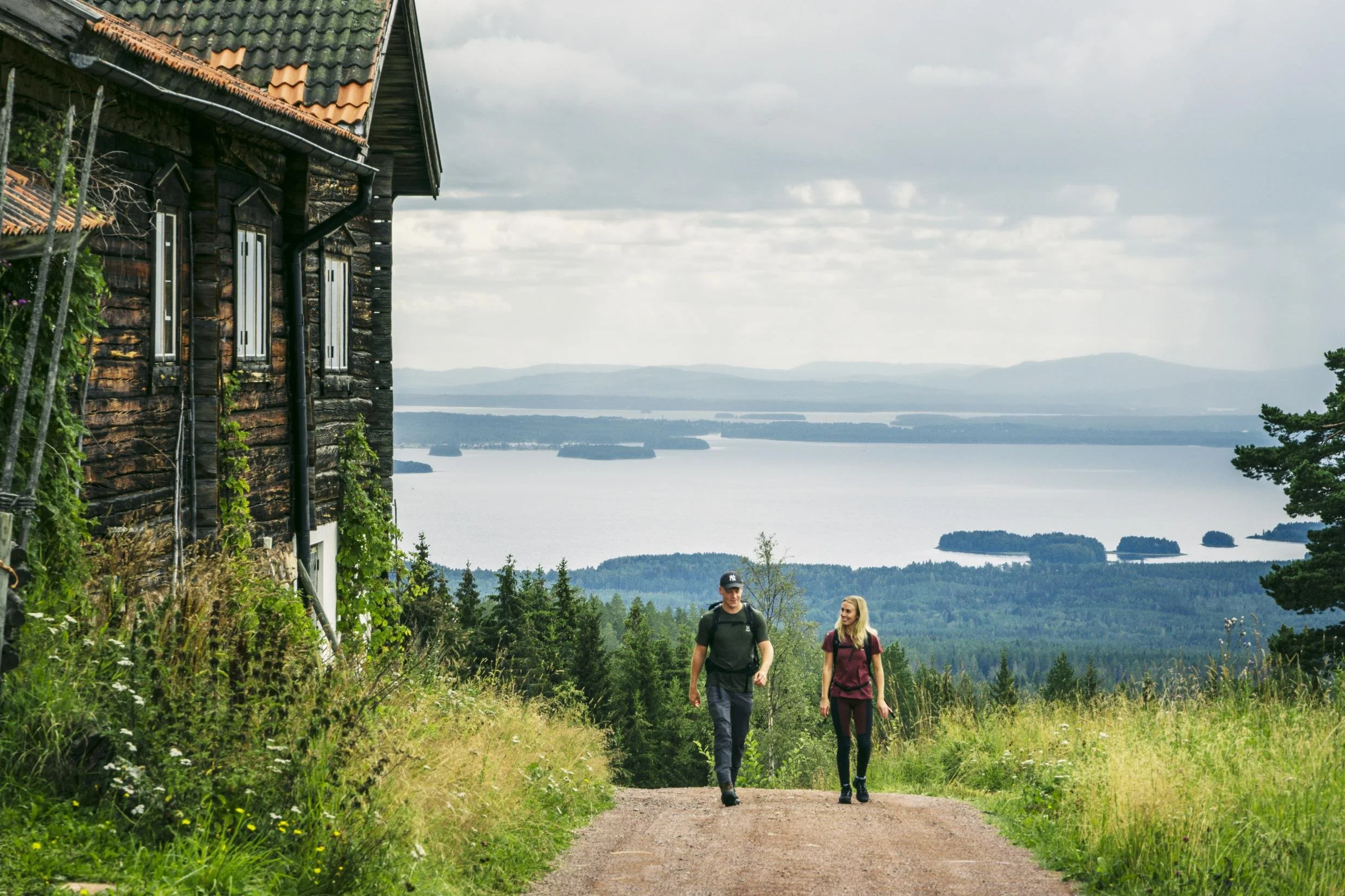
Image: From Visit Village, taken from https://visitsweden.com/where-to-go/middle-sweden/dalarna/
Village 2.0 on Stokkøya
On Stokkøya in Trøndelag, local enthusiasts have over the past 20 years built a local ecosystem to create an attractive place to visit, live, work and enjoy all year round.
Bygda 2.0 is described as a targeted effort to develop a sustainable, upgraded, urban and attractive place. The work is based on architecture, meeting places, local food, food systems, art and culture.
Stokkøya shows how place development can occur through many interconnected measures over time. The case also shows how the countryside can develop attractiveness for different types of people. The goal is increased value creation and innovation in the districts through migration, expertise and new activities.
More information:
https://distriktssenteret.no/prosjektdatabase/bygda-versjon-2-0/
Care for the Arctic, Lapland
Care for the Arctic is an initiative from the Swedish Lapland Visitors Board. It consists of a common agenda and a practical toolkit for more responsible development of Arctic destinations. The goal is to bring together tourism stakeholders, local communities, authorities and visitors around a common direction. The initiative shows how a destination can work systematically with climate, nature, local communities and local value creation.
The example is particularly about governance, involvement and shared direction. It shows that place development requires broad collaboration where different actors agree on goals, responsibilities and actions.
The toolkit makes the ambition more practical. It gives stakeholders a common basis for working on challenges that apply both locally and globally.
For travel destinations and municipalities, the case can provide inspiration for tools, collaboration models and common principles for responsible development.
More information:
https://www.swedishlaplandvisitorsboard.com/en/careforthearctic/
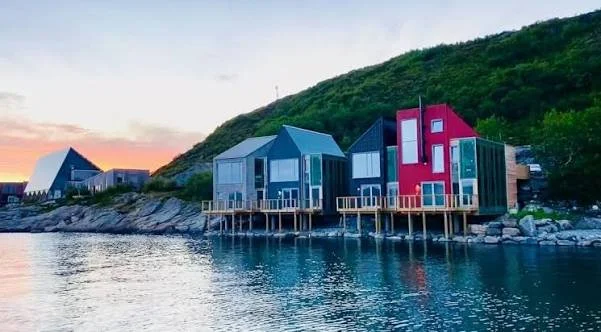
Photo: Stokkøya/Village 2.0
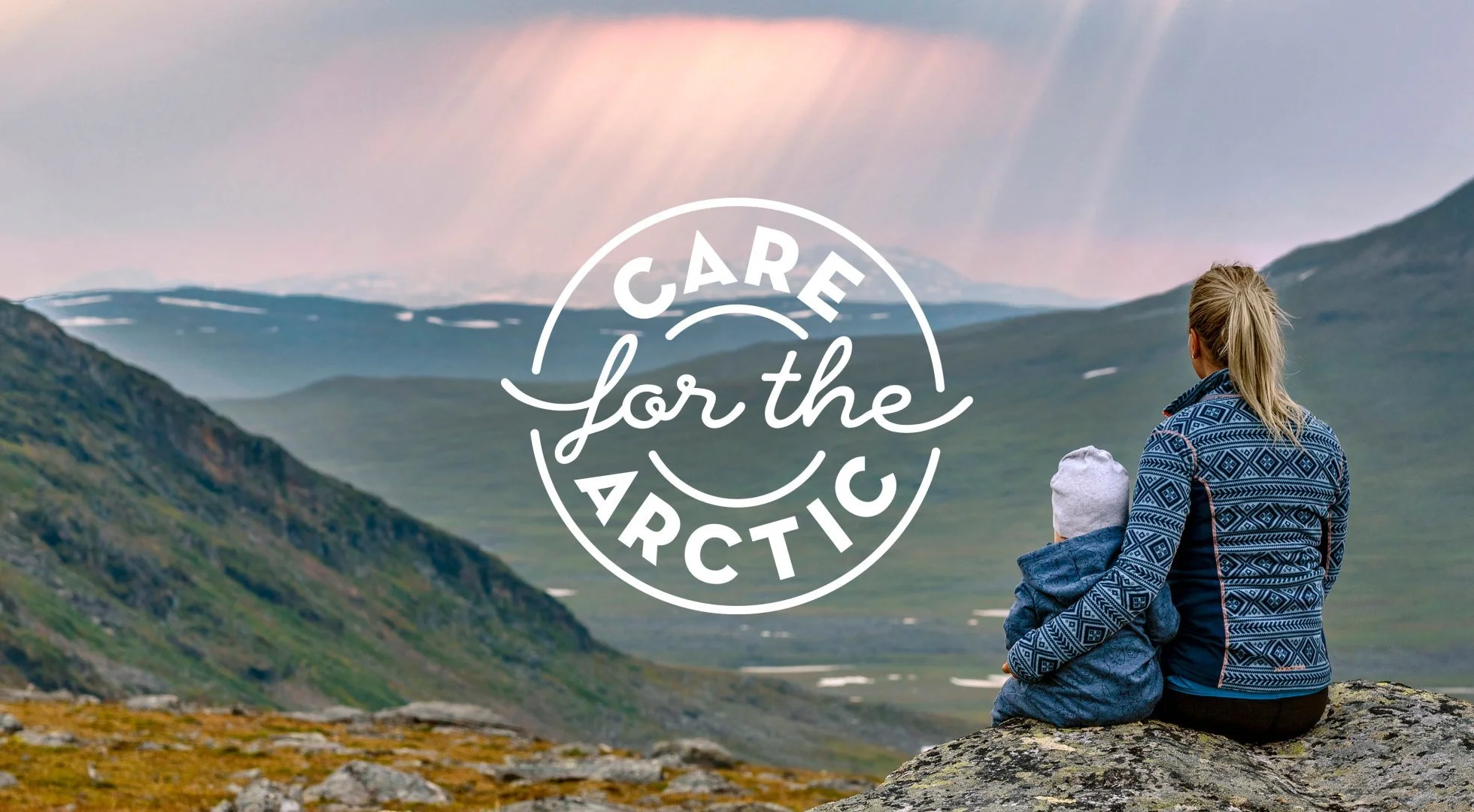
Image: From Care for the Artic, taken from https://arcticswedenvisitorsboard.com/en/careforthearctic/