
Nature-based solutions
Why is this important?
The development of holiday homes directly affects nature. Cabins, roads, electricity, water and other interventions deplete areas, change landscapes and can lead to loss of biodiversity. Such interventions can also fragment habitats and weaken nature's ability to provide important functions such as water management, erosion control, recreation and good living environments.
Therefore, it is important to plan and build in a way that takes care of the nature around us. Nature-based solutions are one of the most important steps to achieve this. They are about protecting, restoring and using nature's own processes as part of the solution, instead of replacing them with more technical and land-intensive interventions.
For municipalities and businesses, this is both about environmental considerations and quality. When the natural basis is understood early, it becomes easier to make better choices about location, design, resource use and operation. The result can be more robust projects, better places to stay and less risk over time.
Theme and problem
Nature is not the same everywhere. Some areas are intact and ecologically rich, others are partially developed, while some are already clearly degraded. It is crucial to understand this difference before considering new holiday home development.
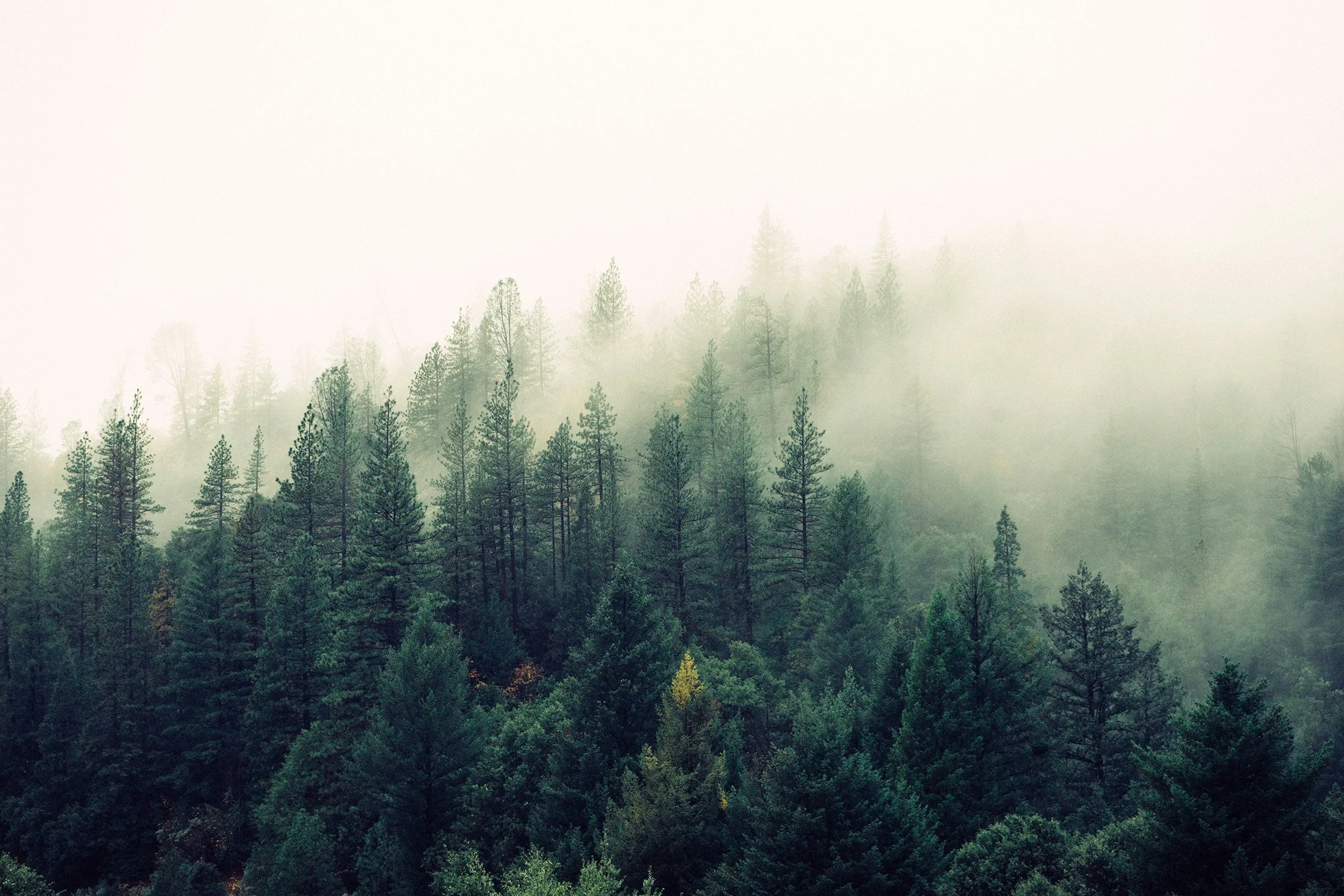
A useful way to read the landscape is to see it as a gradient from intact ecosystem to degraded ecosystem, with an intermediate category of areas that are somewhat processed. Intact areas are characterized by high biological diversity and functioning ecological connections. Degraded areas may be characterized by terrain encroachment, loss of vegetation, erosion, pollution and reduced ecological function. In between these are areas that are affected by, for example, forestry, roads or other land use, but that still have important natural values.
The most important issue is therefore not just whether to build, but where and how to build. The more intact the nature is, the greater the reason to avoid intervention. The more degraded an area is, the greater the opportunity to combine development with restoration and improvement.
Terms and definitions
-
Ecosystem services are the benefits that nature provides to people and society. The study describes these as the foundation of human well-being, and refers to, among other things, biodiversity, habitats, natural cycles, soil quality, water supply, physical and mental health, social interaction and place identity. When nature is destroyed or degraded, these services are also weakened.
-
Nature-based solutions are solutions that are inspired and supported by nature. They exploit nature's own adaptability, flexibility and resilience by preserving, restoring or mimicking natural processes and ecosystems. The study mentions green roofs and walls, wetland restoration and the use of native vegetation to reduce erosion, among other things.
Nature-based solutions can be purely natural measures such as nature conservation or restoration, or they can be used in combination with more technical, engineered measures, such as rain beds with natural aquatic plants that mimic natural processes and ecosystems.
Nature-based solutions also provide a number of other positive effects, such as sequestering carbon, improving air quality, providing opportunities for recreation and social gatherings. Nature-based solutions should be developed through inclusive processes with residents.
-
Nature-positive development is about more than reducing damage. The ambition is to help improve and restore the natural environment, so that development projects can better support people, species and ecological processes.